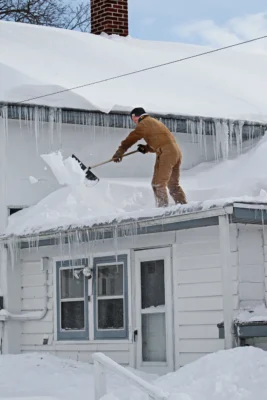
On Groundhog Day of 2011, residents of southern Wisconsin weren’t too interested in what the rodent had to say. Whether spring came early or a few weeks late, they had a fresh batch of winter to clear off their doorsteps that morning.
The Storm
A massive snowstorm brought nearly two feet of snow to parts of southcentral and southeastern Wisconsin over the course of two days.
The storm developed in the southwestern United States and progressed northeastward toward the Great Lakes. The southern origin of this storm allowed it to pull in air from the Gulf Coast, adding extra moisture to create lots of snow.
A few inches of snow fell across southern Wisconsin on January 31, but it really began to pick up the evening of February 1. Heavy snow fell through the night into the morning of Groundhog Day, February 2. As the storm moved near Lake Michigan, northeasterly winds created lake-enhanced snow in some shoreline areas.
The National Weather Service in Milwaukee speculates that some locations in southeast Wisconsin likely saw constant snowfall from the evening of January 31 through the morning of February 2.
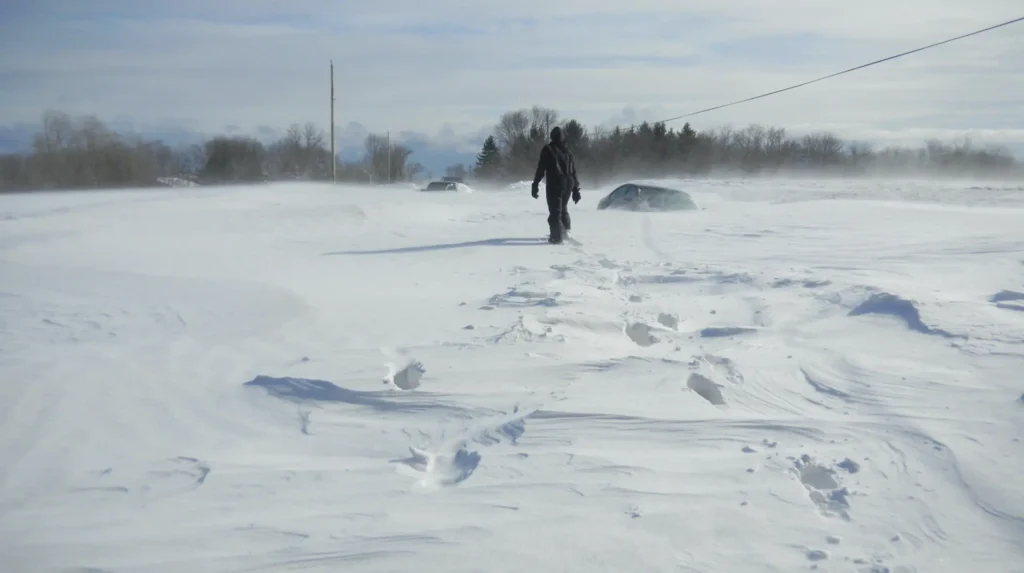
Powerful winds accompanied the snow, knocking out power and causing snow drifts to pile high. Wind gusts of 40 to 50 miles per hour created whiteout conditions on the roadways. The Milwaukee airport shut down on the evening of February 1, and many outgoing flights from Madison were cancelled.
Waves estimated to be over 15 feet on Lake Michigan created flooding along the lakeshore.
Newly elected Governor Scott Walker declared a state of emergency in 29 Wisconsin counties as travel became treacherous. The Wisconsin National Guard was deployed to rescue motorists who had been stranded on interstates for several hours.
The Totals
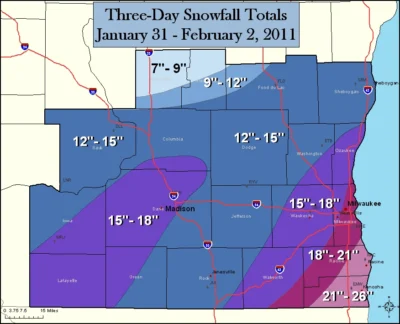
When the snow finally came to an end, Milwaukee had nearly 20 inches of fresh snow on the ground. This was the city’s largest snowstorm since 1974 and the second largest on record.
Madison received almost 19 inches from the storm, the second-largest three-day snow on record for the capital city.
| Location | Snow Total (inches) for February 2, 2011 | Snow total (inches) for January 31 – February 2, 2011 |
|---|---|---|
| Milwaukee | 16.0 | 19.8 |
| Madison | 12.7 | 18.7 |
| Burlington | 17.0 | 20.0 |
| Racine | 23.5 | 23.5 |
| Kenosha | 16.8 | 23.2 |
| Oconomowoc | 8.8 | 12.6 |
| Kewaunee | 2.0 | 16.4 |
| West Bend | 16.0 | 22.6 |
| Beloit | 15.0 | 17.0 |
| Middleton | 14.5 | 20.5 |
| Portage | 12.2 | 16.3 |
The heaviest snow fell just south of Milwaukee, where portions of Racine and Kenosha counties measured two feet of snow.
Though northeastern Wisconsin dodged the direct impacts of the storm, lake-effect snow still piled a half-foot of snow along shoreline communities on the bay of Green Bay.
The Aftermath
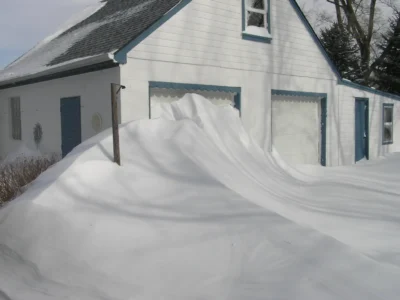
Residents had their work cut out for them in clearing the snow, with wind-blown drifts as high as 12 feet in some places. Three deaths were attributed to complications while clearing snow. Emergency rooms in the region reported dozens of heart attacks and injuries from snowblower accidents.
The National Guard and Department of Natural Resources staff continued their search for stranded motorists into the afternoon of February 2. In Dane County, at least 100 stranded vehicles were reported.
Vehicles parked on city streets were completely buried in the snow. The city of Milwaukee towed nearly 300 vehicles in an effort to clear the streets.
What About the Groundhogs?
The Milwaukee County Zoo cancelled its annual Groundhog Day event due to the storm. Wynter, the fittingly named Milwaukee groundhog, got a snow day on her singular workday of the year.
Sun Prairie Jimmy braved the cold and snow in Dane County to peek outside of his cave on February 2. He didn’t see his shadow, determining that spring would arrive early. In Pennsylvania, Punxatawney Phil forecasted the same.
Unfortunately for Wisconsin’s spring-lovers, the rodents’ forecast wasn’t very accurate. The snowpack in southern Wisconsin lasted through mid-March, and temperatures remained colder than typical through May.
Even the woodchucks can’t get it right every time!
This is a product of the Wisconsin State Climatology Office. For questions and comments, please contact us by email (stclim@aos.wisc.edu) or phone (608-263-2374).