After cool temperatures during May and early June, the first heat wave of 2026 felt extra searing. Ninety-degree Fahrenheit temperatures and Florida-like humidity crept into Wisconsin on June 29 and stuck around through July 3.
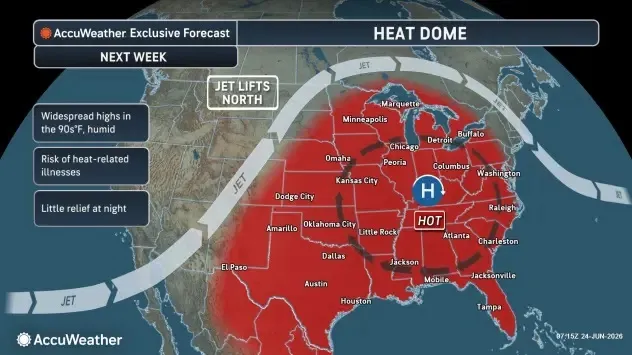
A majority of the central and eastern United States felt the heat right along with us, thanks to an atmospheric heat dome. This phenomenon occurs when the jet stream shifts northward, and a high-pressure center becomes trapped in one spot (like a traffic jam on the highway), creating persistently hot and often humid conditions in a region for days at a time.
Temperatures
Despite temperatures reaching the mid-90s, no high temperature records were broken in the state. Instead, it was the record low temperatures that were tumbling — another event that showcased the changing characteristics of Wisconsin’s heat waves.
On June 30, La Crosse reached a low temperature of just 81 degrees, breaking the daily and monthly record for warmest low temperature, as well as tying the record for warmest low temperature ever recorded for the city. Low temperatures of 81 degrees had been recorded in La Crosse four other times, most recently on July 4, 2012.
That same day, Wausau broke similar records with a low temperature of 78 degrees. This set a new daily record for the city and tied the monthly and all-time record for warmest low temperature (previously set on June 22, 2025).
On July 1, both Madison and Milwaukee set daily records for the warmest low temperature. Madison’s minimum temperature of 79 degrees broke the July 1 record of 77 degrees from 1901. Milwaukee’s low of 78 degrees tied the record previously set in 1910.
Even if they weren’t record-breaking, the daily high temperatures were still sweltering. The hottest reported temperature was 96 degrees in Grafton (Ozaukee County) on July 2.
| Location | Maximum Temperature (°F) June 29-July3, 2026 | Date Reached |
|---|---|---|
| Grafton (Ozaukee Co.) | 96 | July 2 |
| Kenosha (Kenosha Co.) | 95 | July 1 |
| West Allis (Milwaukee Co.) | 95 | July 2 |
| Eau Claire | 94 | June 29 |
| Brodhead (Green Co.) | 94 | July 2 |
| La Crosse | 94 | June 29 |
| River Falls (Pierce Co.) | 94 | June 30 |
| Milwaukee | 94 | July 1 |
| Appleton (Outagamie Co.) | 93 | July 1 |
| Wisconsin Rapids (Wood Co.) | 93 | June 29 |
| Wausau | 92 | June 29 |
| Madison | 92 | June 29 |
| Green Bay | 91 | June 30 |
| Superior (Douglas Co.) | 90 | June 30 |
Wisconsin has yet to break its 100-degree temperature drought: the last triple-digit temperatures in the state were in August of 2023.
Heat Indices
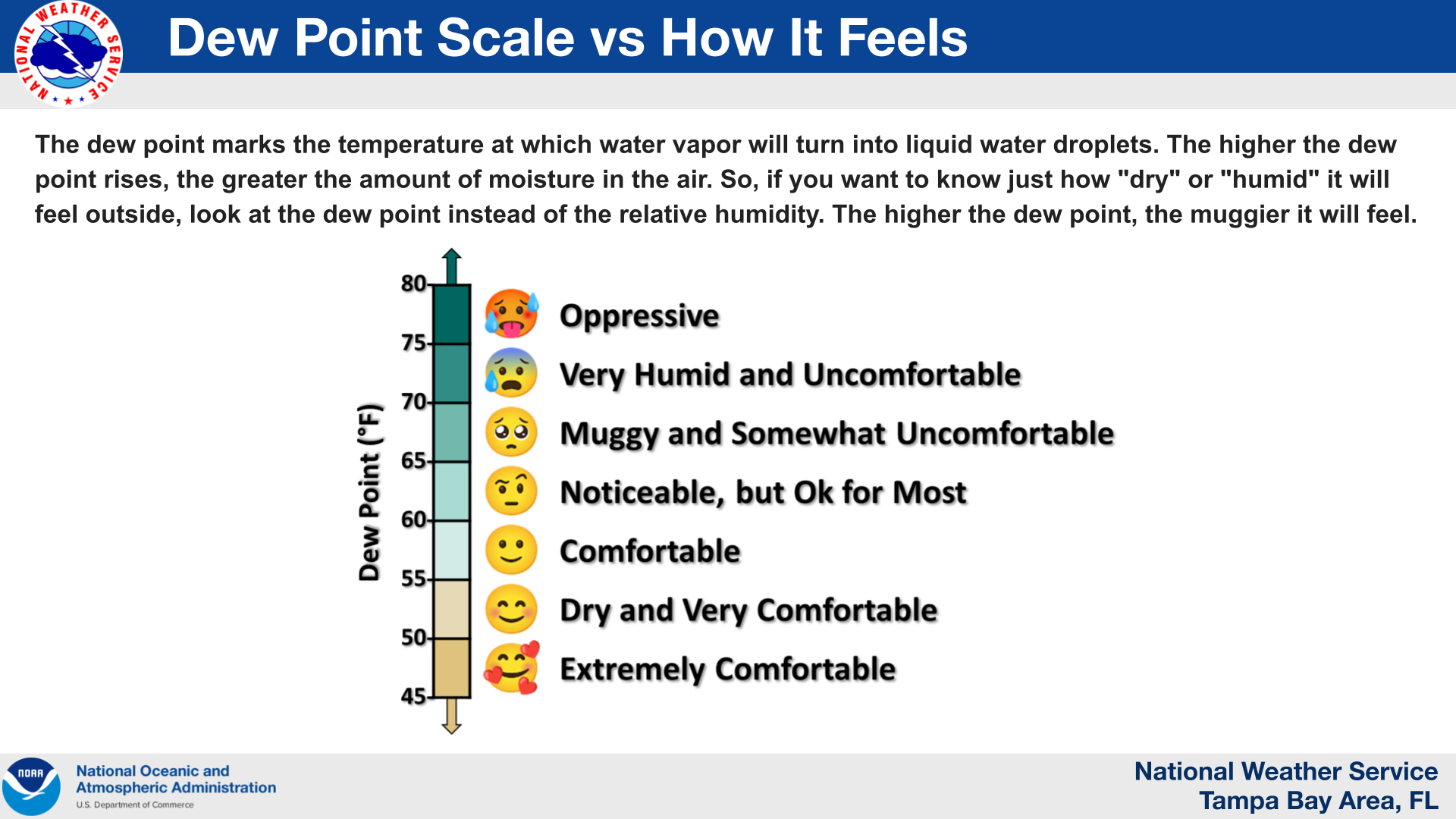
Though air temperatures remained below 100 degrees, dew point temperatures of 70 to 80 degrees easily pushed heat indices to the triple digits. The highest reported heat index was 117 degrees, reached in Trempeleau and Marshland (Trempeleau County) on June 29.
Even outside the peak heating of the afternoon, heat index values remained high. On June 30, Eau Claire recorded 17 consecutive hours with a heat index of at least 90 degrees — the second most in the city’s record dating back to 1947. This was just three hours short of tying the record set in August 2001.
Similarly, 17 straight hours with a heat index of at least 90 degrees in Milwaukee on July 1 ranked as the 8th most in the city since 1939.
| Location | Maximum Heat Index (°F) June 29-July 3, 2026 | Date Reached |
| Trempeleau (Trempeleau Co.) | 117 | June 29 |
| Mauston (Juneau Co.) | 116 | June 29 |
| Tomah (Monroe Co.) | 114 | June 29 |
| Black Creek (Outagamie Co.) | 113 | June 30 |
| Luxemburg (Kewaunee Co.) | 112 | June 30 |
| Pleasant Prairie (Kenosha Co.) | 110 | June 30 |
| Plymouth (Sheboygan Co.) | 110 | June 30 |
| Berlin (Green Co.) | 109 | June 30 |
| River Falls (Pierce & St. Croix Co.) | 109 | June 29 |
| Cottage Grove (Dane Co.) | 108 | June 30 |
| Crivitz (Marinette Co.) | 108 | June 30 |
| Plover (Portage Co.) | 107 | June 30 |
Health Impacts
The five days of extreme heat led to increased reports of heat-related illnesses (HRI) such as heat stroke and heat exhaustion. According to the Wisconsin Department of Health Services (DHS), there were 367 emergency department visits in Wisconsin for HRI from June 29 through July 3. On June 30 alone, there were 115 HRI visits — nearly double the amount that occurred on the days leading up to the heat wave.
Wisconsin DHS Climate and Health Program Manager Kate Beardmore noted that emergency department HRI visits increased in every county of the state. For example, Milwaukee County reported 69 HRI emergency department visits during the five days.
Learn about extreme heat safety and resources in the state on the Wisconsin DHS Climate and Health website.
This is a product of the Wisconsin State Climatology Office. For questions and comments, please contact us by email (stclim@aos.wisc.edu) or phone (608-263-2374).